
RV Slide-Out Roof Maintenance: Care Tips & Coating Options
When it comes to RV maintenance, the main roof often gets the spotlight, and rightfully so. But there’s another critical area that deserves just as much attention: your slide-out roof. Just like the main roof, your slide-out roof is constantly exposed to the elements and subject to wear and tear, making RV slide-out roof maintenance essential for preventing leaks.
Your slide-out roof is typically made of rubber membrane, aluminum, or fiberglass, and sealed to the exterior fascia with tape or lap sealant. This seam can be a vulnerability, especially since it’s in constant contact with the wiper seal every time the slide is extended or retracted.
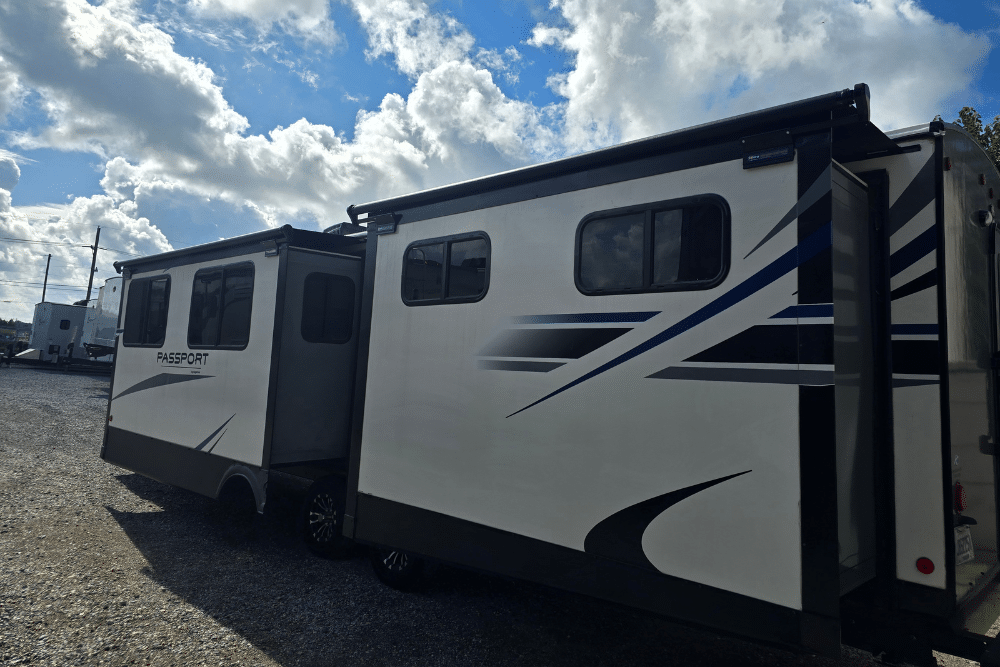
The Good News: With Proper Maintenance, It Can Last for Years
To get the most life out of your slide-out roof, be sure to include these tasks in your regular maintenance routine:
- Wash regularly to remove dirt and debris
- Inspect for tears or damage
- Replace worn or lifting tape
- Reseal the side edges as needed
- Check and condition gaskets to ensure a tight seal
What to Look For During Inspections
Pay attention to these common warning signs:
- Lifting Tape: Edges that have begun separating from the fascia
- Cracked Sealant: Gaps or brittleness in lap sealant
- Membrane Wear: Thin spots, discoloration, or surface cracking
- Seal Compression: Wiper seals that appear flattened or damaged
- Water Staining: Discoloration on the roof surface indicating pooling
When to Inspect Your Slide-Out Roof
- Monthly for visible damage and debris
- Quarterly for thorough cleaning and seal inspection
- Before the summer travel season begins
- After returning from extended trips
- Following major weather events
Understanding How Slide-Out Roofs Fail
Most damage follows predictable patterns based on how you use and store your RV.
Storage Practices Matter
Many RV owners in Louisiana store their rigs during hurricane season or the hottest summer months. If you’re storing with slides extended, you’re inviting trouble. Extended slides maintain constant tension on seals and expose maximum surface area to UV damage. Keeping your slide retracted during storage reduces exposure to the elements and strain on seals.
The Debris Problem
Slide-out roofs create natural collection points for leaves, pine needles, and dirt. Unlike your main roof, where debris might blow off, slide-out roofs often have raised edges that trap material. This debris holds moisture against the membrane, accelerating deterioration. RVers who frequently camp under trees face the highest risk.
Louisiana Climate Challenges
Louisiana’s climate presents unique challenges for RV roof protection. Intense UV exposure during the summer months breaks down rubber compounds faster. High humidity means any moisture intrusion takes longer to dry out, increasing mold and rot potential. Frequent afternoon thunderstorms test every seal and seam throughout the season.
One Question We Often Hear: Can RV Masters Spray FlexArmor on My Slide-Out Roof?
Answer: Maybe.
FlexArmor is an excellent way to protect a worn or aging slide-out roof, and RV Masters can consider this option if:
- Your slide roof is leaking or damaged
- Your slide-out seals need to be replaced
- Your slide is already being removed for other repairs
- A slide topper isn’t an option for your RV
However, several important factors need to be evaluated before moving forward:
Fit: FlexArmor builds up to at least 3/16″ thick. If the clearance between the slide roof and the upper seal is too tight, the added thickness could rub against the wipe seal, possibly dislodging it, or could even cause the slide to jam.
Cost: Surprisingly, spraying just one or two slide-out roofs can take nearly as much prep time as a full RV roof. This makes slide-out coating a more significant per-square-foot investment, though the total cost remains lower than main roof work.
Warranty: While the material is the same high quality, slide-out roofs are not covered under FlexArmor’s lifetime warranty.
Other Ways to Protect Your Slide-Out Roof
If FlexArmor isn’t the right fit just yet, here are a couple of alternative ways to keep your slide-out roof in top shape:
Install a Slide Topper Awning
Slide topper awnings add protection from sun, rain, and debris. This additional protective layer deflects rain, blocks UV exposure, and prevents debris accumulation on the roof membrane itself. Slide toppers work especially well in the Greater New Orleans Area, where afternoon storms and high humidity create constant challenges.
Keep Your Slide Retracted During Storage
This simple practice reduces exposure to the elements and strain on seals. Retracted slides reduce UV exposure, minimize water pooling, and relieve stress on mechanical components. For RV owners across Louisiana dealing with intense summer sun and frequent afternoon thunderstorms, this practice makes a substantial difference.
Frequently Asked Questions About RV Slide-Out Roof Maintenance
How do you maintain an RV slide-out roof?
Maintain your RV slide-out roof by washing it regularly with mild soap and water, inspecting for tears or damage, replacing worn tape, resealing side edges, and conditioning gaskets to ensure proper sealing. Perform visual checks monthly and thorough cleaning with detailed inspection quarterly.
Can FlexArmor be used on a slide-out roof?
FlexArmor may be applied to slide-out roofs in certain situations, but clearance between the roof and wiper seal must be carefully evaluated first since the coating adds at least 3/16″ thickness. It’s most appropriate when the slide roof is already leaking, seals need replacement anyway, or the slide is being removed for other repairs.
What are common problems with RV slide-out roofs?
Common RV slide-out roof problems include lifting or failing tape along the fascia seam, cracked lap sealant, membrane thinning from UV exposure, and compressed wiper seals. These issues often result from inadequate cleaning, extended storage with slides out, and deferred maintenance.
How do I protect my RV slide-out from leaks?
Protect your RV slide-out from leaks by keeping the roof clean, replacing worn tape promptly, resealing gaps, conditioning rubber gaskets, and installing a slide-topper awning. Store your RV with slides retracted when possible to reduce exposure and seal stress.
How often should you inspect your RV slide-out roof?
Inspect your RV slide-out roof monthly for visible damage, quarterly for thorough cleaning and seal inspection, and bi-annually for deep membrane assessment. Also, inspect before the travel season, after extended trips, and following major weather events.
Expert Slide-Out Roof Maintenance Services at RV Masters
If you’re unsure about the condition of your slide-out roof or whether FlexArmor is a good solution, give us a call or stop by RV Masters. We’re always happy to take a look and help you find the best way to keep your rig road-ready.
At RV Masters, our RVDA/RVIA-certified mechanics serve RV owners from New Orleans, Metairie, Jefferson Parish, and throughout St. John the Baptist Parish. Visit us at 1041 East Airline Highway in LaPlace, Louisiana 70068, or call (504) 466-3431. We’re not just fixing roofs; we’re protecting the adventures your RV makes possible.